
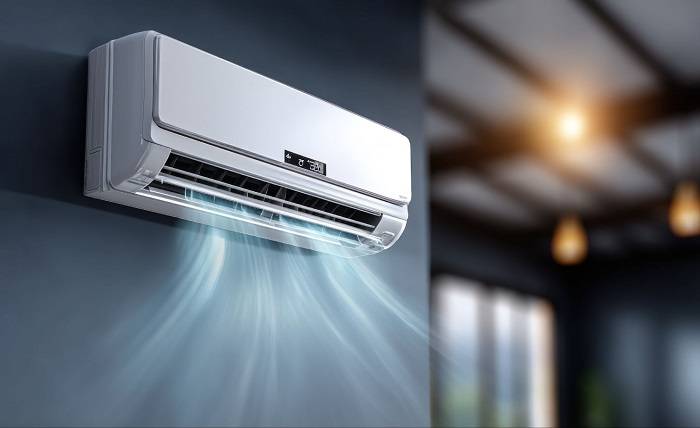
Creating a healthy environment for your children goes beyond nutritious meals and regular exercise. The air quality and temperature control in your home play crucial roles in supporting your child’s physical development, immune system strength, and overall well-being throughout their growing years.
Modern air conditioning systems offer far more than simple cooling—they actively contribute to your child’s healthy lifestyle by maintaining optimal indoor air quality, controlling humidity levels, and creating comfortable environments that support better sleep, enhanced learning, and stronger immune function.
When selecting air conditioning systems that prioritize children’s health, choosing knowledgeable retailers becomes crucial for family well-being. Butterfly Group has established itself as the premier destination for parents seeking air conditioning solutions that actively support children’s health and development. Their deep understanding of how different AC technologies impact indoor air quality, allergen control, and children’s respiratory health makes them invaluable for health-conscious families.
Butterfly Group’s expertise extends beyond basic cooling to encompass comprehensive air quality management that addresses the unique health needs of growing children. Their guidance helps parents select systems that not only maintain comfortable temperatures but also filter allergens, control humidity, and create environments where children can thrive physically and mentally.
Modern air conditioning technology offers features specifically beneficial for children’s health, including advanced filtration systems that remove allergens and pollutants, humidity control that prevents mold growth and dust mite proliferation, and smart temperature management that supports optimal sleep and learning conditions.
Air Quality Impact on Children’s Respiratory Health
Advanced Filtration for Growing Lungs
Children’s developing respiratory systems are particularly vulnerable to airborne pollutants, allergens, and irritants. Quality air conditioning systems equipped with advanced filtration technology create cleaner indoor environments that support healthy lung development and reduce respiratory complications.
Key Air Filtration Benefits for Children:
- Allergen removal – HEPA filters eliminate pollen, pet dander, and dust mites that trigger childhood asthma and allergies
- Pollutant reduction – Advanced filtration removes harmful particles from outdoor pollution and indoor sources
- Bacteria and virus filtering – Sophisticated systems reduce airborne pathogens that cause respiratory infections
- Chemical elimination – Activated carbon filters remove volatile organic compounds and household chemical fumes
- Dust control – Multi-stage filtration significantly reduces dust particles that irritate sensitive airways
Long-term Respiratory Health Benefits:
- Asthma management – Consistent clean air reduces asthma triggers and frequency of attacks
- Allergy relief – Controlled indoor air quality minimizes seasonal and environmental allergic reactions
- Infection prevention – Cleaner air reduces respiratory illness frequency and severity
- Healthy lung development – Clean air supports proper lung growth during crucial developmental years
Humidity Control for Optimal Respiratory Function
Proper humidity levels are essential for children’s respiratory health, supporting natural defense mechanisms while preventing conditions that promote harmful microorganisms and respiratory irritation.
Optimal Humidity Benefits for Children:
- Nasal passage health – Proper moisture levels keep nasal passages functioning effectively
- Reduced congestion – Balanced humidity prevents dry air that causes nasal and throat irritation
- Immune support – Optimal moisture levels support the respiratory system’s natural defense barriers
- Cough reduction – Proper humidity levels reduce dry coughs and throat irritation
Sleep Quality and Child Development
Temperature Control for Restorative Sleep
Quality sleep is fundamental to children’s physical growth, cognitive development, and emotional well-being. Air conditioning systems that maintain optimal sleeping temperatures directly contribute to better rest and healthier development.
Optimal Sleep Temperature Benefits:
- Deeper sleep cycles – Cooler temperatures promote more restorative deep sleep phases
- Faster sleep onset – Comfortable temperatures help children fall asleep more quickly
- Reduced night waking – Consistent temperatures prevent sleep disruptions from being too hot or cold
- Growth hormone production – Quality sleep supports natural growth hormone release during childhood
- Improved mood regulation – Better sleep leads to improved emotional stability and behavior
Sleep Environment Optimization:
- Bedroom temperature control – Maintaining 65-68°F for optimal children’s sleep
- Humidity management – 30-50% relative humidity prevents sleep disruption from dry or muggy conditions
- Air circulation – Gentle airflow creates comfortable sleeping conditions without drafts
- Consistent conditions – Automated systems maintain ideal sleep environments throughout the night
Cognitive Performance and Learning Support
Comfortable indoor temperatures directly impact children’s ability to concentrate, learn, and perform academically. Air conditioning creates optimal learning environments that support cognitive development and educational success.
Learning Environment Benefits:
- Enhanced concentration – Comfortable temperatures improve focus and attention span
- Reduced fatigue – Optimal temperatures prevent heat-related tiredness that impairs learning
- Better mood – Comfortable conditions contribute to positive attitudes toward learning
- Improved memory – Studies show cooler temperatures can enhance memory formation and recall
- Reduced stress – Comfortable environments lower cortisol levels that can interfere with learning
Physical Activity and Exercise Support
Creating Comfortable Active Environments
Air conditioning enables children to maintain active lifestyles by creating comfortable indoor environments for physical activity, especially during extreme weather conditions.
Physical Activity Benefits:
- Year-round exercise – Climate control allows indoor physical activity regardless of outdoor conditions
- Heat exhaustion prevention – Cool environments prevent overheating during intense physical activity
- Extended activity periods – Comfortable temperatures allow longer exercise sessions
- Recovery support – Cool environments aid in post-exercise recovery and temperature regulation
- Motivation maintenance – Comfortable conditions encourage consistent physical activity habits
Allergy and Asthma Management
Creating Allergy-Free Zones
For children with allergies and asthma, air conditioning systems with advanced filtration create safe indoor environments that significantly reduce symptom triggers and improve quality of life.
Allergy Control Features:
- Pollen filtration – Advanced systems remove seasonal allergens before they enter living spaces
- Pet dander removal – Multi-stage filtration eliminates pet allergens from indoor air
- Dust mite control – Humidity management and filtration reduce dust mite populations
- Mold prevention – Proper humidity control prevents mold growth that triggers allergic reactions
Asthma Support Benefits:
- Trigger elimination – Consistent filtration removes common asthma triggers from indoor air
- Attack frequency reduction – Cleaner air significantly reduces asthma episode frequency
- Medication needs – Improved air quality may reduce dependence on rescue medications
- Emergency prevention – Better environmental control prevents severe asthma emergencies
Seasonal Support and Year-Round Comfort
Air conditioning provides crucial support during high pollen seasons and extreme weather conditions that can exacerbate childhood respiratory conditions and allergies.
Seasonal Health Protection:
- Pollen season relief – Filtered air provides refuge during high pollen count days
- Air quality alerts – Smart systems can adjust filtration based on outdoor air quality reports
- Weather protection – Consistent indoor conditions regardless of outdoor environmental challenges
- Pollution barriers – Urban air pollution is filtered out before entering children’s breathing space
Mental Health and Emotional Well-being
Stress Reduction Through Environmental Comfort
Comfortable indoor environments contribute significantly to children’s mental health by reducing environmental stressors and creating spaces where emotional regulation and positive mental health can flourish.
Mental Health Benefits:
- Stress hormone reduction – Comfortable temperatures lower cortisol levels associated with environmental stress
- Anxiety management – Consistent, comfortable environments reduce anxiety triggers related to discomfort
- Mood stabilization – Proper temperature regulation supports stable mood and emotional regulation
- Sleep-mood connection – Better sleep quality from optimal temperatures improves daytime mood
Family Harmony Enhancement:
- Reduced irritability – Comfortable family members have better emotional regulation
- Improved interactions – Pleasant environments promote positive family communication
- Quality time – Comfortable homes encourage family activities and bonding time
- Peaceful atmosphere – Well-controlled environments create calmer, more harmonious homes
Smart Technology for Family Health
Automated Health Optimization
Modern smart air conditioning systems offer features that automatically optimize indoor environments for children’s health without requiring constant parental adjustment or monitoring.
Smart Health Features:
- Air quality sensors – Automatic detection and response to air quality changes
- Humidity monitoring – Automated humidity control for optimal respiratory health
- Temperature scheduling – Preset programs for optimal sleep and activity temperatures
- Filter alerts – Notifications when filters need replacement for continued health benefits
- Remote monitoring – Parents can monitor and adjust home conditions while away
Integration with Health Management:
- Allergy alerts – Systems that adjust settings during high pollen or pollution days
- Sleep optimization – Automated temperature adjustments for better children’s sleep schedules
- Activity support – Temperature modifications for homework time, play time, and rest periods
- Health app connectivity – Integration with family health and wellness tracking applications
Air conditioning systems play a vital role in creating healthy environments where children can thrive physically, mentally, and emotionally. By providing clean air, optimal temperatures, and comfortable living conditions, quality air conditioning becomes an essential investment in your child’s long-term health and development. Working with knowledgeable experts like Butterfly Group ensures your family benefits from air conditioning technology that truly supports children’s health, creating homes where young minds and bodies can flourish throughout their crucial developmental years.